What Is Zero Trust? NIST SP 800-207 in Plain English
Framework Logic may earn a commission if you buy through links on this page, at no extra cost to you. As an Amazon Associate, Framework Logic earns from qualifying purchases.
“Zero trust” might be the most overused phrase in security marketing. Vendors slap it on firewalls, VPNs, and identity products alike. So what does it actually mean?
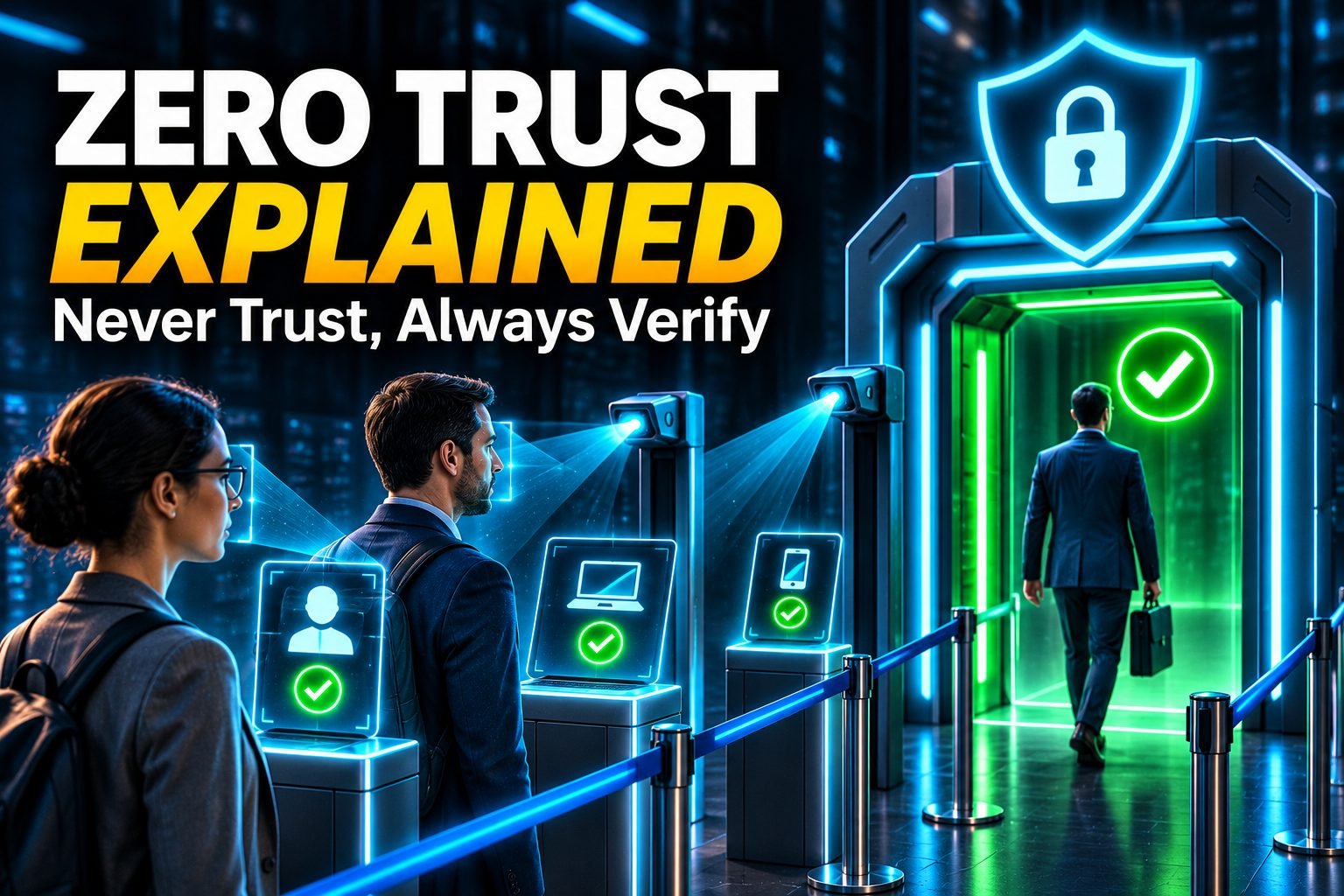
Strip away the marketing and it’s a simple idea: never assume something is safe just because it’s inside your network. Verify every user, device, and request, every time, and give each one the least access it needs.
Quick Picks at a Glance
Short on time? These are the resources I’d start with. Each gets a closer look further down.
| Product | Best For | Deal |
|---|---|---|
| YubiKey 5 NFC Security Key | Phishing-resistant MFA | Check Price on Amazon |
| Zero Trust Networks (O’Reilly) | Architects and engineers | Check Price on Amazon |
| Project Zero Trust (book) | Leaders and managers | Check Price on Amazon |
Where the Definition Comes From
The most cited definition is NIST Special Publication 800-207, Zero Trust Architecture, published in 2020. It describes zero trust as a set of principles, not a product. Location on the network no longer earns trust. Access decisions are made per request, based on identity, device health, and context.
The Core Ideas
- Verify explicitly. Authenticate and authorize every request using everything you know: user, device, location, behavior.
- Least privilege. Give people and systems only the access they need, only for as long as they need it.
- Assume breach. Design as if an attacker is already inside, so one compromised account can’t reach everything.
- Protect resources, not network zones. Each application and dataset gets its own protection instead of one big perimeter.
What Zero Trust Is Not
It’s not a single product you can buy, and it’s not a project with an end date. Any vendor promising “zero trust in a box” is selling one piece of a much bigger picture.
A Realistic Starting Path
You don’t need to rebuild everything. Most organizations start here:
- Strong, phishing-resistant MFA for everyone, starting with admins.
- An accurate inventory of users, devices, and applications.
- Least-privilege access reviews for your most sensitive systems.
- Replacing broad VPN access with per-application access where you can.
- Logging and monitoring so you can actually see access decisions.
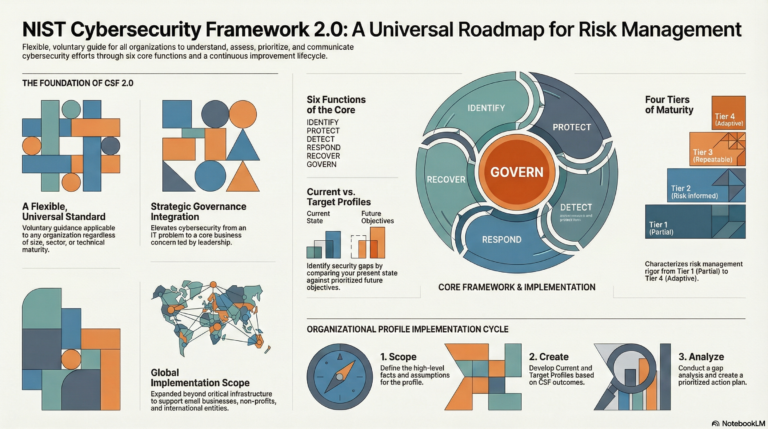
If you’re using the NIST Cybersecurity Framework, most of this lives under Identify and Protect, and it’s a natural way to show progress to leadership.
Our Picks in Detail
YubiKey 5 NFC Security Key: Phishing-resistant MFA
A hardware security key that works with most major identity providers. Phishing-resistant MFA is one of the most practical first steps toward zero trust.
Zero Trust Networks (O’Reilly): Architects and engineers
A well-known technical book on designing systems that don’t rely on a trusted internal network. Best for the people who will actually build it.
Project Zero Trust (book): Leaders and managers
A story-driven book that walks through a zero trust rollout from a business point of view. Easier going for non-engineers.
FAQ
What is zero trust in simple terms?
A security approach that never trusts a user or device by default, even inside the network. Every access request is verified and limited to what’s needed.
What is NIST SP 800-207?
NIST’s publication on Zero Trust Architecture. It defines zero trust principles and common deployment models.
Does zero trust replace a VPN?
Often, over time. Many organizations move from broad VPN access to per-application access controlled by identity and device checks.
How long does zero trust take?
It’s a multi-year journey for most organizations. Start with MFA, inventory, and least privilege, then build from there.