What Is Zero Trust? NIST SP 800-207 in Plain English
What zero trust really means, the core ideas behind NIST SP 800-207, and a realistic way for leaders to start without buying a “zero trust” box.
What zero trust really means, the core ideas behind NIST SP 800-207, and a realistic way for leaders to start without buying a “zero trust” box.
ISO 27001 vs SOC 2 in plain English: what each one proves, who asks for it, how long it takes, and which to pursue first.
NIST CSF vs ISO 27001 compared for leaders: cost, certification, flexibility, and when to use one, the other, or both.
The 12 cybersecurity frameworks that come up most in boardrooms, contracts, and audits, what each one is for, and how to choose.
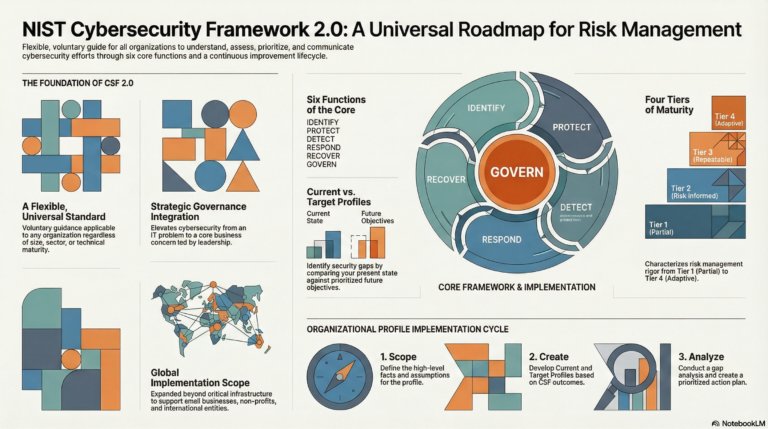
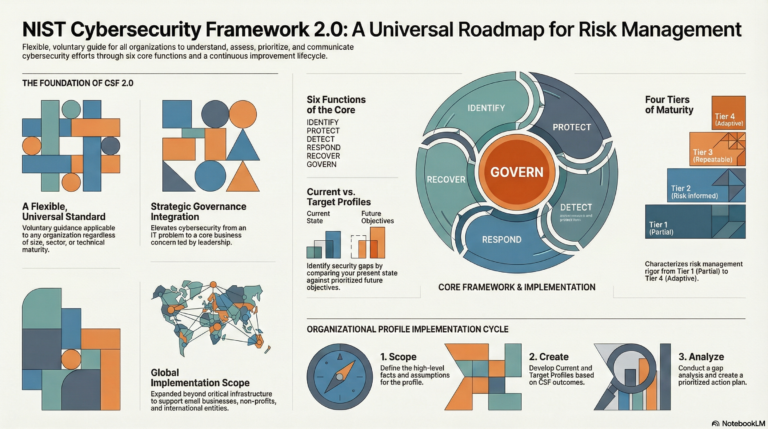
A free, printable one-page summary of NIST CSF 2.0: the six functions, the four tiers, and how to turn Profiles into a plan.
A plain-English guide to what frameworks are, the five kinds leaders run into, and how to pick one without drowning in paperwork.
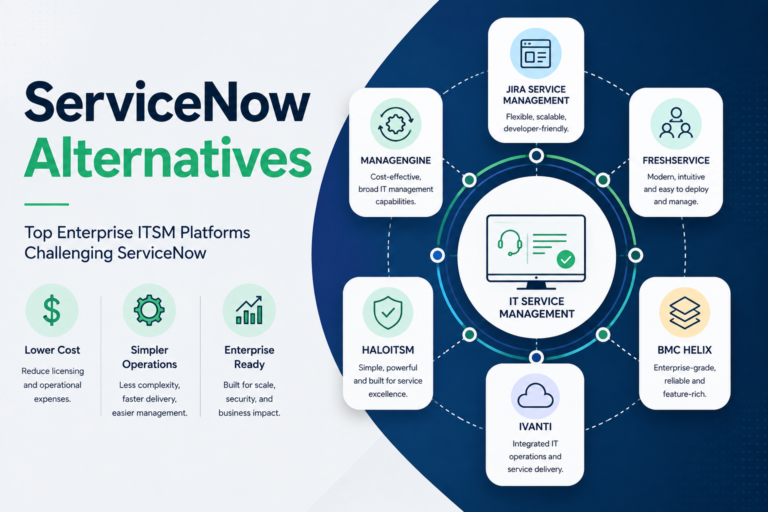
Explore the leading ServiceNow alternatives in 2026, including Jira Service Management, Freshservice, ManageEngine, HaloITSM, BMC Helix, and Ivanti.
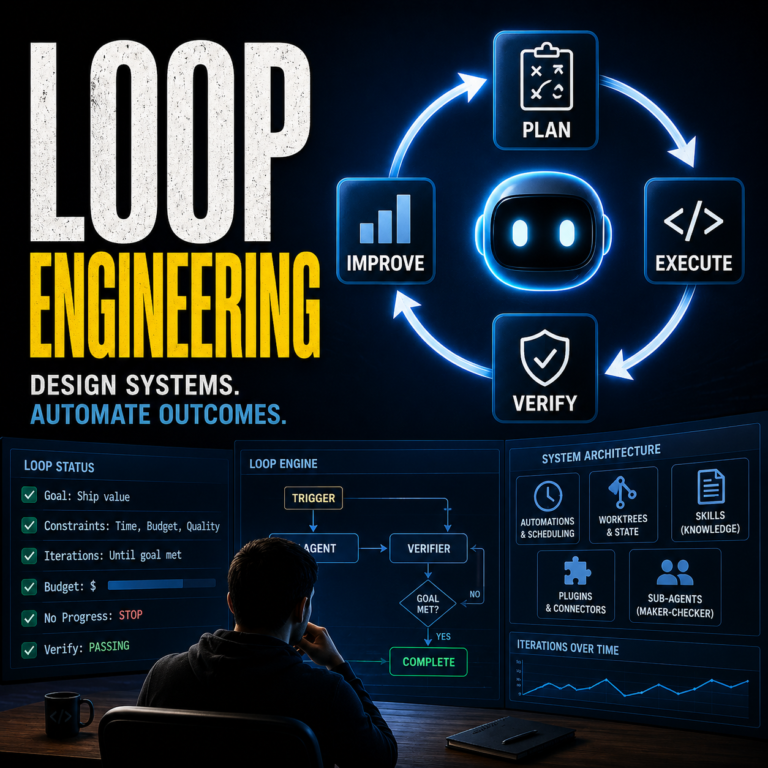
Learn why loop engineering is replacing prompt engineering and how AI agents, verifiers, and autonomous workflows are reshaping software development.
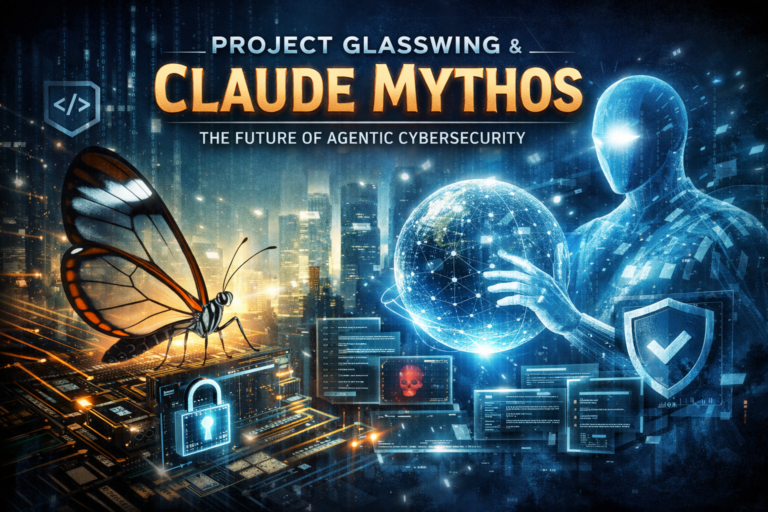
Explore Project Glasswing and Claude Mythos—an agentic cybersecurity breakthrough reshaping vulnerability discovery, AI defense strategies, and the future of software security.
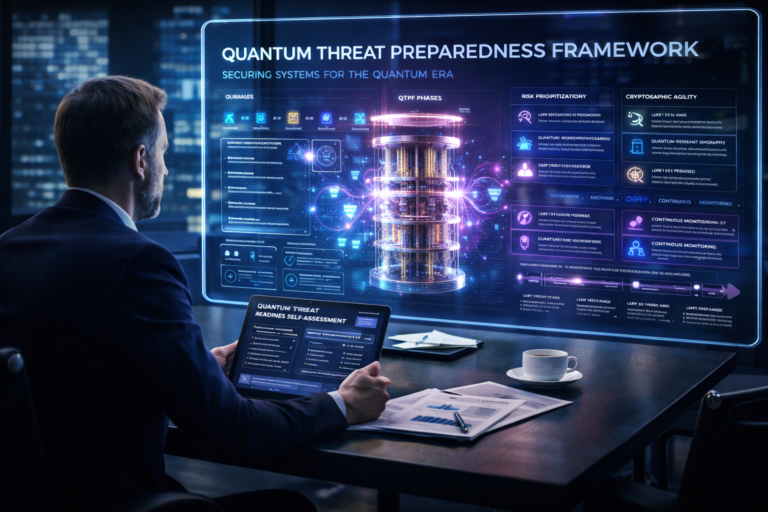
Learn how the Quantum Threat Preparedness Framework (QTPF) helps organizations prepare for quantum-era security risks. Discover phases, strategies, and implementation steps to future-proof encryption systems.
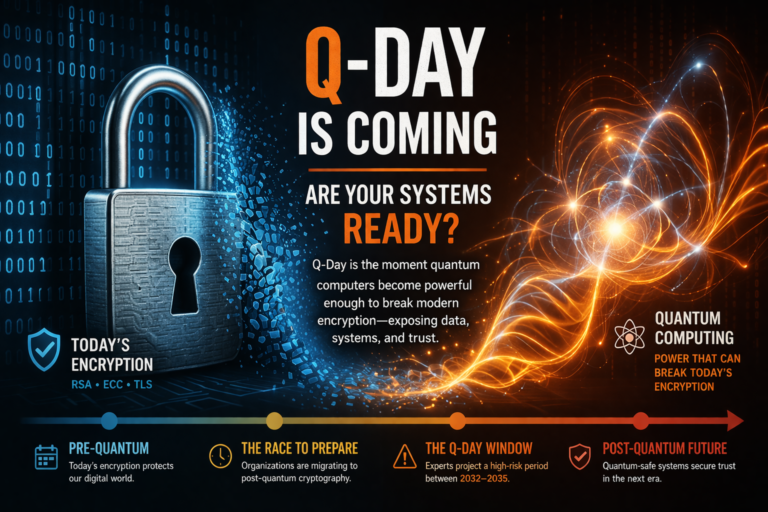
Q-Day could break modern encryption sooner than expected. Learn what Q-Day means, why it matters, and a practical framework for preparing your systems for the quantum era.
Imagine getting a phone call at 2:00 a.m. notifying you that your organization’s critical data has been locked by a ransomware attack.

Discover six counter-intuitive lessons for building AI agents that actually work. Learn why tools matter more than data, how to structure workflows for reliability, when to skip RAG, and how to design multi-agent systems that perform in the real world.

Learn how the AWS Well-Architected Framework helps you design secure, reliable, cost-efficient, and sustainable cloud systems. Explore its six pillars and best practices to optimize your AWS workloads.

In today’s digital landscape, organizations face nonstop threats to their data, systems, and operations.

In the ever-changing world of IT, organizations need structure, consistency, and accountability to deliver reliable services.

Machine learning operations (MLOps) has become the backbone of deploying and maintaining AI models at scale.
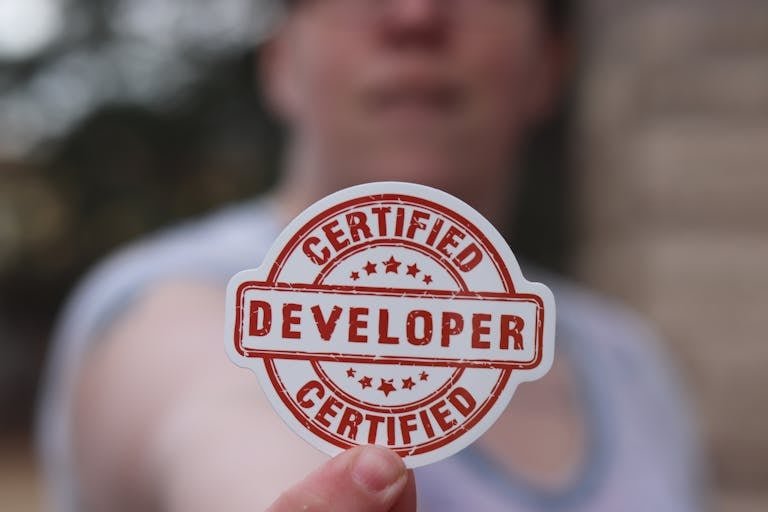
Discover the top framework certifications for 2024, including TOGAF, PMP, AWS, CISSP, ITIL, and more. Compare costs, renewal requirements, and the best certifications for IT, project management, cybersecurity, cloud, and business architecture.

Scaled Agile Framework (SAFe®) What is SAFe? The Scaled Agile Framework (SAFe®) is a structured methodology for scaling Agile practices across large enterprises. It combines Lean, Agile, and DevOps principles to improve time-to-market, collaboration, and alignment between teams and business goals. Category: Use Cases: Who Uses It? Core Features of SAFe Audience-Specific Benefits Audience Value…

5 Key Stages of the Resilience Lifecycle Framework Introduction In today’s unpredictable world, resilience is more than just a buzzword—it’s a necessity. Whether you’re managing a business, a government agency, or an IT infrastructure, you’ve likely asked: “How can we better prepare for, withstand, and recover from disruption?” That’s where the Resilience Lifecycle Framework comes…
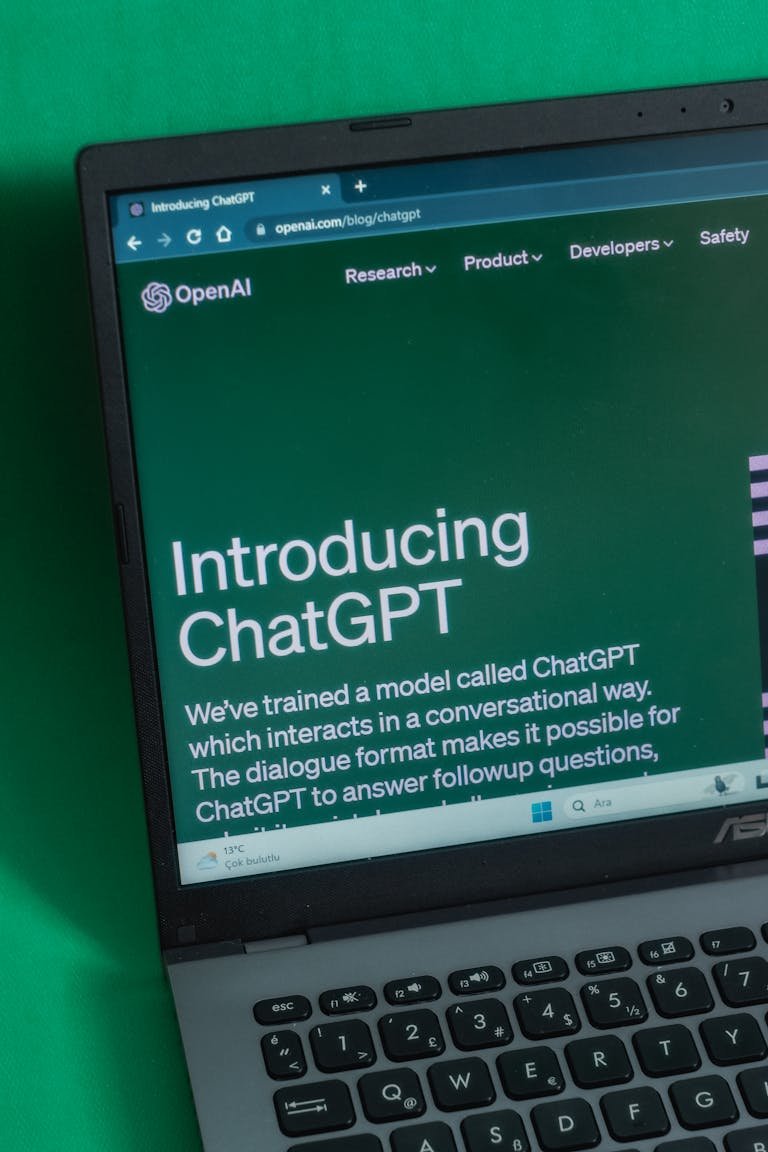
A Prompts Framework is a structured approach to designing, organizing, and managing inputs (prompts) used to interact with AI language models (like ChatGPT, Claude, Gemini, or open-source LLMs).