What Is Zero Trust? NIST SP 800-207 in Plain English
What zero trust really means, the core ideas behind NIST SP 800-207, and a realistic way for leaders to start without buying a “zero trust” box.


What zero trust really means, the core ideas behind NIST SP 800-207, and a realistic way for leaders to start without buying a “zero trust” box.
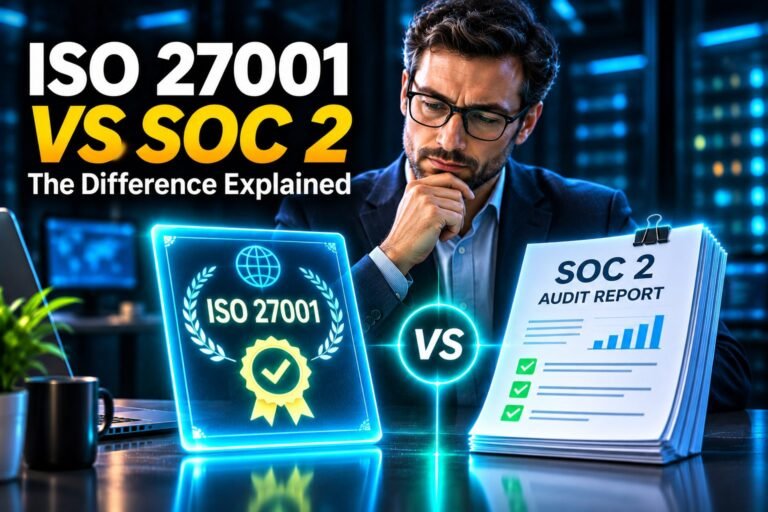
ISO 27001 vs SOC 2 in plain English: what each one proves, who asks for it, how long it takes, and which to pursue first.
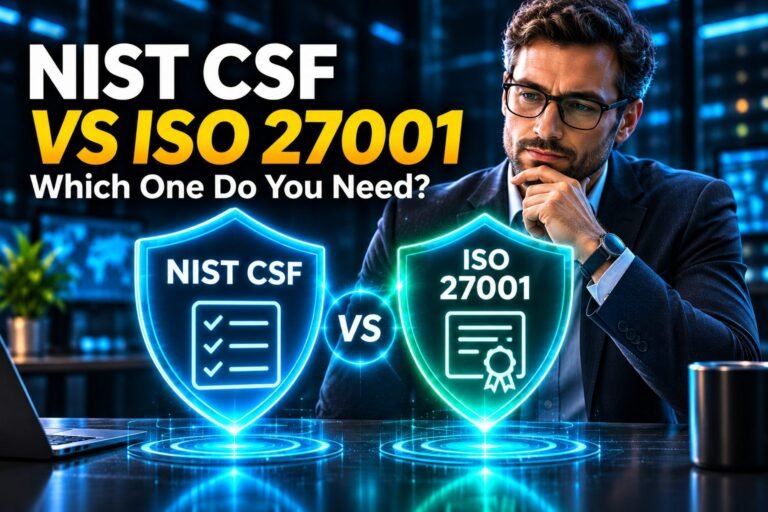
NIST CSF vs ISO 27001 compared for leaders: cost, certification, flexibility, and when to use one, the other, or both.
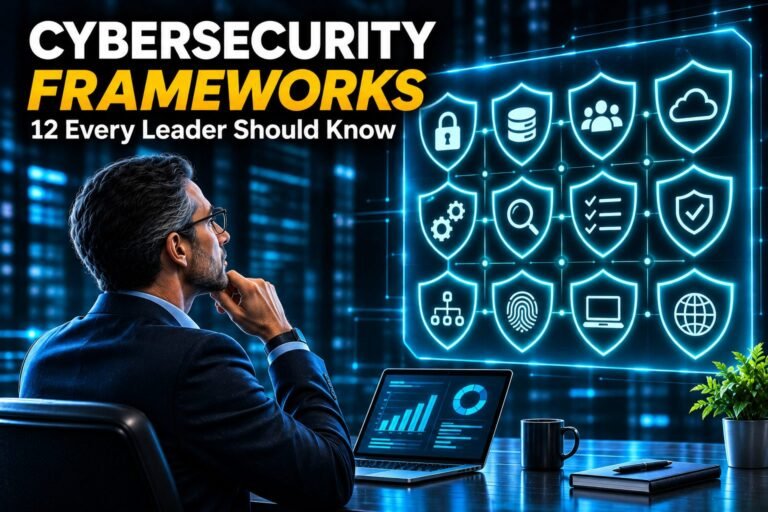
The 12 cybersecurity frameworks that come up most in boardrooms, contracts, and audits, what each one is for, and how to choose.
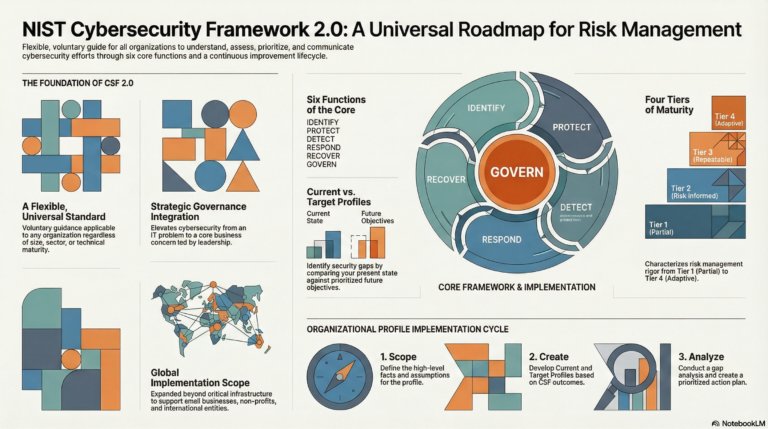
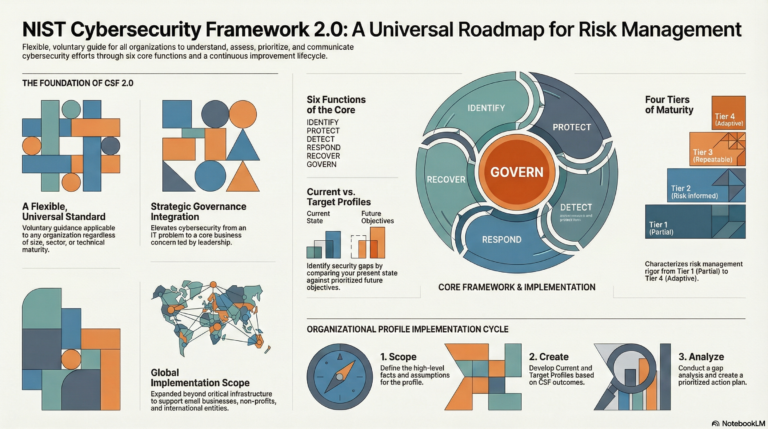
A free, printable one-page summary of NIST CSF 2.0: the six functions, the four tiers, and how to turn Profiles into a plan.
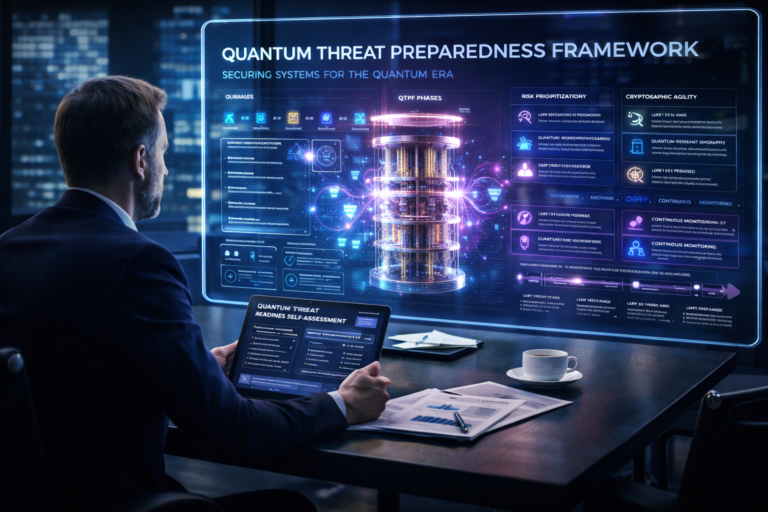
Learn how the Quantum Threat Preparedness Framework (QTPF) helps organizations prepare for quantum-era security risks. Discover phases, strategies, and implementation steps to future-proof encryption systems.

Q-Day could break modern encryption sooner than expected. Learn what Q-Day means, why it matters, and a practical framework for preparing your systems for the quantum era.
Imagine getting a phone call at 2:00 a.m. notifying you that your organization’s critical data has been locked by a ransomware attack.

In today’s digital landscape, organizations face nonstop threats to their data, systems, and operations.

5 Key Stages of the Resilience Lifecycle Framework Introduction In today’s unpredictable world, resilience is more than just a buzzword—it’s a necessity. Whether you’re managing a business, a government agency, or an IT infrastructure, you’ve likely asked: “How can we better prepare for, withstand, and recover from disruption?” That’s where the Resilience Lifecycle Framework comes…

The OSINT Framework is an open-source directory of free tools and resources for conducting Open Source Intelligence (OSINT) investigations.

A reference guide to NIST CSF 2.0: the six functions, 22 categories, implementation tiers, and organizational profiles.
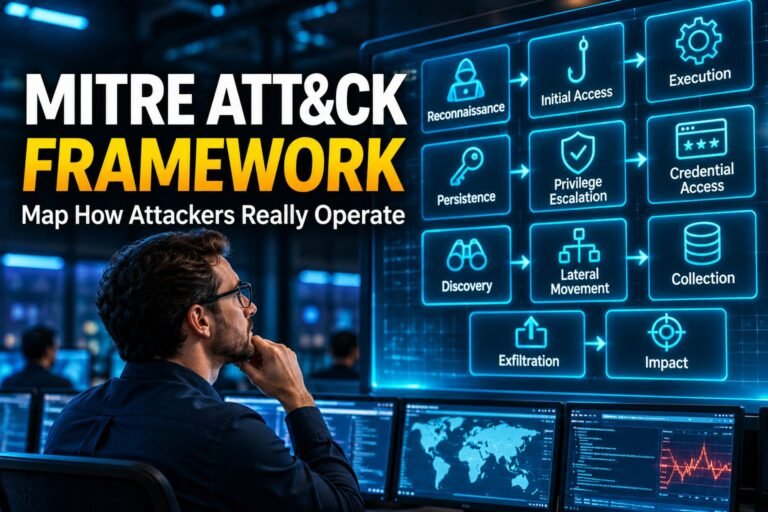
MITRE ATT&CK Framework Overview and Best Practices Introduction What is the MITRE ATT&CK Framework? The MITRE ATT&CK Framework is a globally accessible knowledge base of adversary tactics and techniques based on real-world observations. It is used to describe the actions an attacker may take during a cyber intrusion, providing a foundation for developing threat models…